Morocco’s Indigenous People
The Berbers, who call themselves the Amazigh, are the indigenous people of Morocco and North Africa, with roots in the region stretching back thousands of years, long before the arrival of the Arabs. Travelers encounter Berber culture throughout the mountains, desert, and villages, and are often fascinated to learn more about exactly who these people are.
At Morocco Epic Journey, we find that even a little understanding of the Berbers and their culture greatly enriches any journey through the country, adding a whole new and fascinating dimension to the mountains, deserts, and villages you pass through along the way. They have profoundly shaped Morocco’s culture, language, cuisine, and very identity over the centuries, and their rich traditions remain vibrantly alive right across the country to this day. In this guide we explore the fascinating history, culture, language, and traditions of Morocco’s Berber people, from their ancient origins and their living language to their crafts, their mountain and desert life, and their legendary hospitality. Our 3-Day Fes to Merzouga Desert Tour include authentic and memorable encounters with Berber culture, tradition, and hospitality.
A History Stretching Back Millennia
The Berbers rank among the very oldest peoples of North Africa, having inhabited the region for at least four thousand years and quite possibly far longer. Across the centuries, they encountered, traded with, and absorbed influences from Phoenicians, Romans, Arabs, and others, yet remarkably preserved their own distinct identity, language, and traditions through it all.
The name ‘Berber’ actually derives from a word once used by outsiders long ago, but the people themselves proudly call themselves Amazigh, meaning ‘free people’, a name that beautifully reflects their fiercely independent spirit and their long and storied history. Their story is woven deeply into the very fabric of Morocco. They are, in every sense, the original inhabitants of this land. Their cultural resilience over so many centuries is genuinely remarkable, and it is a large part of what makes encountering the proud Amazigh people and their living traditions such a moving and memorable experience for travelers in Morocco today. Our 4-Day Marrakech to Merzouga Desert Tour reveal the deep history and heritage of Morocco.
The Amazigh Language
Language lies at the very heart of Berber identity, and the Amazigh tongue, known as Tamazight, is spoken in various dialects across Morocco, above all in the mountains and rural areas. For many centuries it was primarily an oral language passed down by speech, but it possesses its own ancient script, called Tifinagh, which you may well see displayed on signs today.

In recent years, the Amazigh language and wider culture have gained important official recognition in Morocco, with Tamazight becoming an official state language alongside Arabic and the ancient Tifinagh script now appearing on many public signs. This reflects a growing and heartfelt pride in Berber heritage. The language is a living link to a distant past. It carries the culture through the generations. The language is today a source of great and renewed cultural pride, and its official recognition has helped ensure that this ancient tongue will endure for future generations. Our Essaouira Day Trip from Marrakech connect you with the living culture of the Amazigh.
Berber Culture and Traditions
Berber culture is rich, diverse, and beautifully expressed through music, dance, crafts, dress, and a profound connection to the land. Traditional Berber music, with its hypnotic rhythms and joyful communal celebrations, plays an important role in village life, while colourful festivals mark the changing seasons and important occasions throughout the year.

Berber craftsmanship is justly renowned throughout Morocco, from the handwoven rugs with their symbolic geometric patterns to fine silver jewellery, colourful pottery, and intricate metalwork, each piece carrying the mark of generations of accumulated skill and tradition. Traditional dress, symbolic tattoos, and local customs vary between regions and tribes, reflecting the great diversity within Berber culture itself. These living traditions are a highlight of any visit. They express a proud and ancient identity. They enchant almost every visitor. Our Chefchaouen Day Trip from Fes showcase the rich traditions of Berber Morocco.
Berber Life in the Mountains and Desert
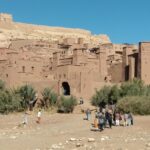
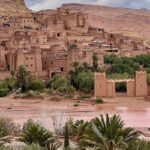
Today, Berber communities are concentrated in the Atlas and Rif Mountains and in the desert regions, where many still maintain traditional ways of life closely tied to the land. In the mountains, timeless Berber villages of earth and stone cling to the steep hillsides, their people farming terraced fields and herding livestock much as they have for countless generations, following the ancient rhythms of the seasons in a life shaped entirely by the land.
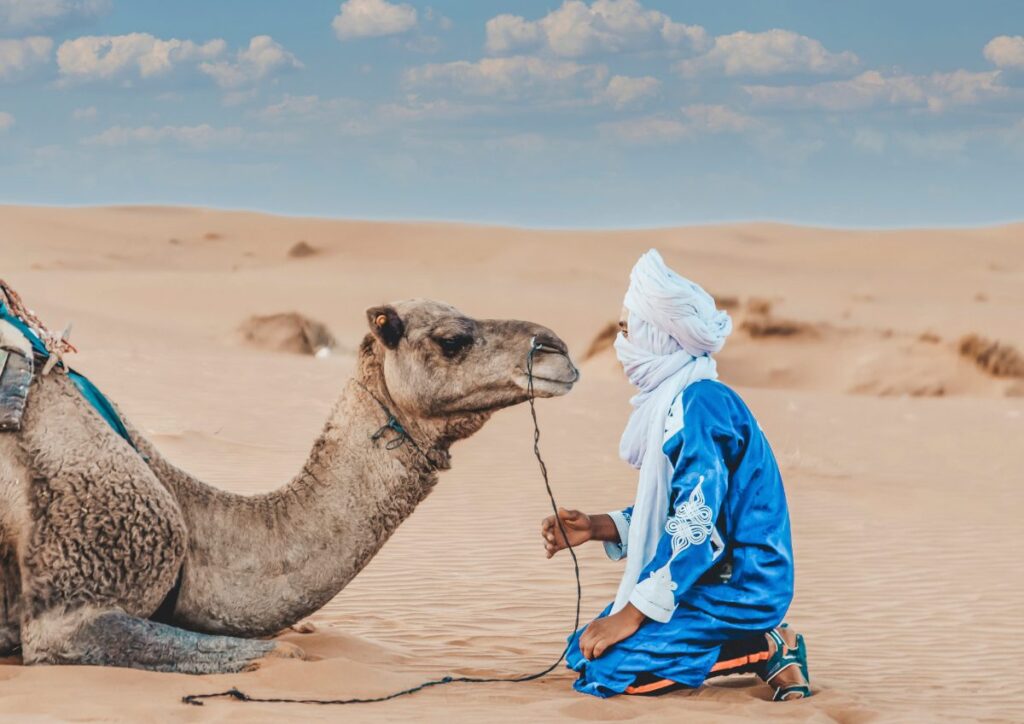
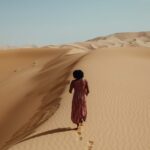
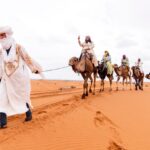
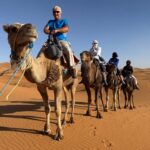
In the desert regions, some Berber groups continue a semi-nomadic existence, moving with their herds across the vast, empty landscapes as their ancestors did. Visiting these communities, whether in a mountain village or a desert camp, offers a genuine and moving glimpse into a timeless way of life. Their hospitality is the stuff of legend. It is one of the great joys of travel in Morocco. A visit to a Berber community leaves a deep and lasting impression on almost every traveler, offering a humbling window into a way of life that has endured in these landscapes for generations. Our 3-Day Fes to Merzouga Desert Tour include visits to authentic Berber communities.
The Legend of Berber Hospitality
Perhaps nothing captures the Berber spirit better than their legendary hospitality. Welcoming guests is regarded as a sacred duty in Berber culture, and travelers are often received with extraordinary warmth and generosity, offered mint tea, food, and shelter even by those who have very little themselves to give.
Sharing a simple meal or a glass of sweet tea with a Berber family, whether in a mountain home or a desert tent, is quite simply one of the most authentic and heartwarming experiences that Morocco has to offer. It is a moment of genuine human connection that transcends any barrier of language or culture. This warmth stays with travelers forever. It embodies the very soul of Morocco. It is a gift freely given. Our 4-Day Marrakech to Merzouga Desert Tour include the legendary hospitality of the Berber people.
Discover Berber Morocco with Morocco Epic Journey
So who are the Berbers of Morocco? They are the Amazigh, the indigenous people of North Africa, with a history stretching back thousands of years and a rich culture that has profoundly shaped Morocco’s identity. From their ancient language and vibrant traditions to their life in the mountains and desert and their legendary hospitality, the Berbers lie at the very heart of what makes Morocco so special and endlessly fascinating.
The team at Morocco Epic Journey includes authentic encounters with Berber culture on our tours, from remote mountain villages to desert camps, offering a genuine and respectful glimpse into this ancient and living heritage, encounters that are often the most treasured memories of a whole trip. To experience the living culture and legendary hospitality of the Amazigh people for yourself, simply get in touch with our friendly team using the button below. Our Essaouira Day Trip from Marrakech are your gateway to the rich heritage of Berber Morocco.
Frequently Asked Questions
Who are the Berbers of Morocco?
The Berbers, who call themselves the Amazigh, meaning ‘free people’, are the indigenous people of Morocco and North Africa, with a history in the region stretching back thousands of years, long before the arrival of the Arabs. They have profoundly shaped Morocco’s culture, language, and identity. Today Berber communities are concentrated in the Atlas and Rif Mountains and in the desert regions, where many still maintain traditional ways of life closely tied to the land, and they are renowned above all for their warm and legendary hospitality toward guests.
What language do the Berbers speak?
The Berbers speak the Amazigh language, known as Tamazight, in various dialects across Morocco, particularly in the mountains and rural areas. For many centuries it was primarily an oral language, but it has its own ancient script called Tifinagh. In recent years, Tamazight has gained important official recognition in Morocco, becoming an official state language alongside Arabic, with the ancient Tifinagh script now appearing on many public signs, all of which reflects a growing and heartfelt pride in Berber heritage across the country.
What is the difference between Berbers and Arabs in Morocco?
The Berbers, or Amazigh, are the indigenous people of North Africa, present in Morocco for thousands of years before the Arabs arrived in the 7th century. The Arabs came later, bringing Islam and the Arabic language. Over time the two groups mixed extensively, and today most Moroccans have both Berber and Arab heritage. Berber identity, language, and traditions remain especially strong in the mountains, desert, and rural areas of the country.
Can you meet Berber families on a Morocco tour?
Yes, meeting Berber families is one of the highlights of many Morocco tours. In the Atlas Mountains, you can visit traditional villages and share mint tea with local families, while in the desert you may encounter semi-nomadic Berber communities and stay in desert camps. These authentic encounters, marked by the legendary Berber hospitality, offer a genuine and moving glimpse into a timeless way of life and are among the most memorable parts of a trip.
Sources & Further Reading
Ready to Explore Morocco?
Let Morocco Epic Journey craft your perfect private Morocco tour, tailored just for you.