The Surprising Cold of Desert Nights
One of the most surprising things travelers discover about the Sahara is just how cold it can become once the sun goes down. Many arrive picturing relentless heat and are astonished to find themselves reaching for a warm jacket after dark. Understanding this dramatic temperature swing is essential to packing well and staying comfortable on a desert tour.
At Morocco Epic Journey, we always make sure our travelers are prepared for the desert’s chilly nights, as being caught out can put a real dampener on an otherwise magical experience. The Sahara’s fierce daytime heat and surprising nighttime cold are both genuine extremes in their own right, and the sheer gap between them over the course of a single day can be quite remarkable, often catching unprepared visitors completely off guard. In this guide we explain exactly how cold the desert nights get and precisely why, breaking it down season by season and offering practical advice on how to stay warm and comfortable throughout your Sahara tour. Our 7-Day Morocco Tour from Casablanca keep you comfortable in the desert day and night.
Why Desert Nights Turn So Cold
The dramatic cooling of the desert at night comes down to simple science. Sand and the dry desert air retain very little heat, so once the sun sets, the warmth absorbed during the day escapes rapidly into the clear night sky, and the temperature plummets far faster and further than most people expect.
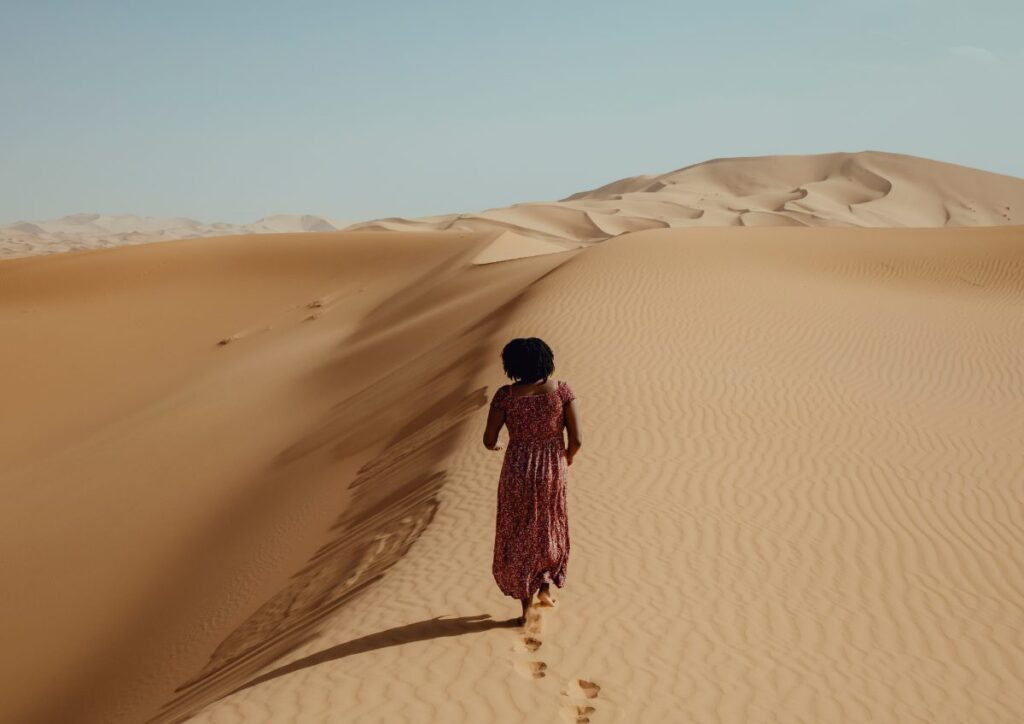
The lack of humidity and cloud cover, which would otherwise trap heat like a blanket, means there is nothing to slow this rapid cooling. This is why a scorching desert afternoon can give way to a genuinely cold night within just a few hours. It is a natural feature of all deserts. It catches many first-timers by surprise. It is simply how the Sahara and indeed all true deserts work, a natural consequence of dry air and clear skies rather than anything unusual or unexpected once you understand the science behind it. Our Meknes & Volubilis Day Trip from Fes prepare you fully for this dramatic swing.
Winter Nights in the Sahara
Winter, from December through February, brings the coldest desert nights of all. During these months, nighttime temperatures in the Sahara can drop to near or even below freezing, especially in the small hours before dawn, making warm clothing and good camp blankets absolutely essential for comfort.
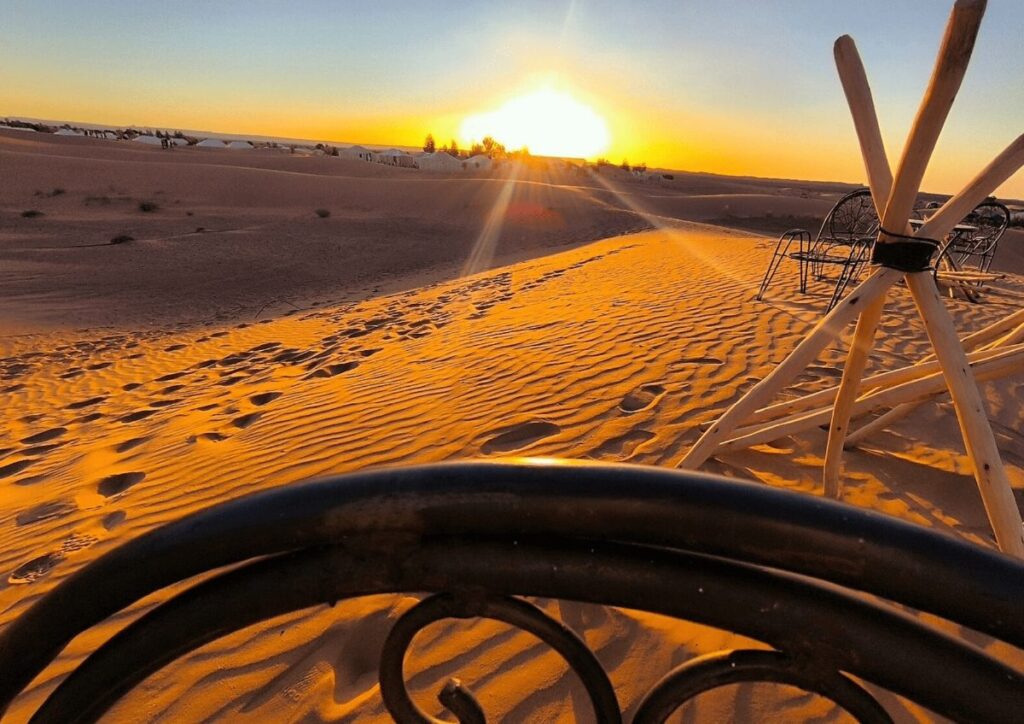
Winter days remain pleasantly warm and sunny, ideal for exploring, but the moment the sun sets the cold sets in quickly. A visit to the desert in the depths of winter is still absolutely wonderful and has a special, crisp beauty all of its own, but it does demand proper preparation with warm layers, hats, and even gloves for the genuinely cold evenings and nights. The contrast with the mild days is striking. It is the season that most surprises visitors. It genuinely calls for serious warm layers in the evenings, and travelers who pack only for the heat of the day invariably find themselves shivering and wishing they had brought more. Our Activities in Merzouga ensure you are cosy even on cold winter nights.
Nights in Spring and Autumn
The shoulder seasons of spring and autumn offer the most comfortable desert nights, which is one reason they are the ideal times to visit. From March to May and September to November, nights are cool and crisp rather than genuinely cold, comfortable enough to enjoy the fire and stars with just a warm layer or two.
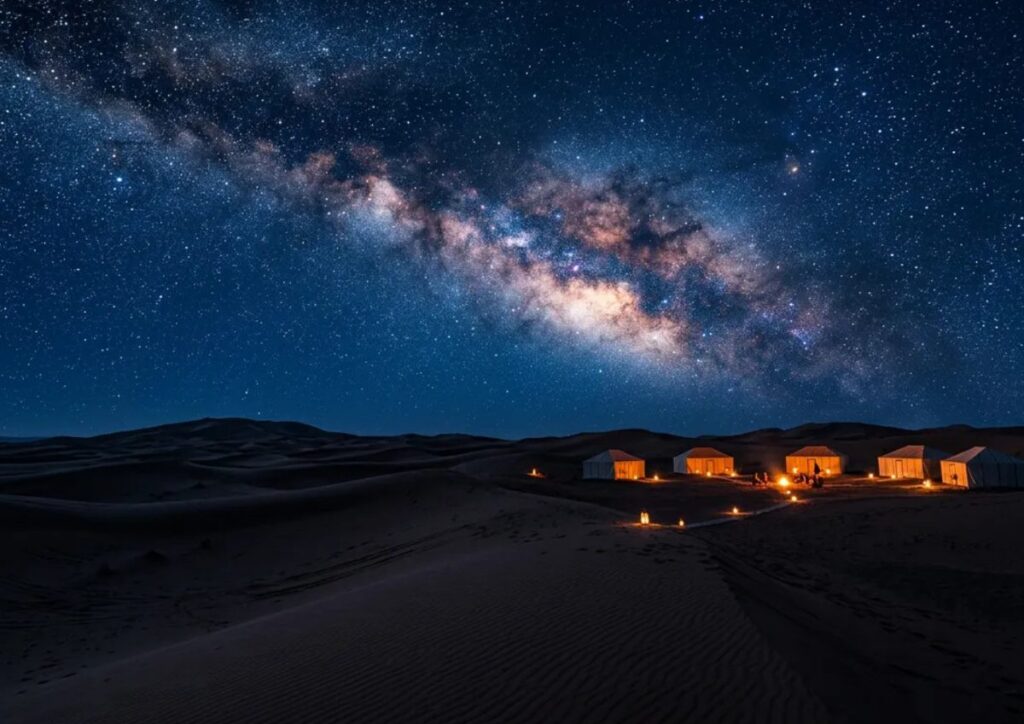
Daytime temperatures in these seasons are warm and pleasant rather than scorching, making the whole desert experience far more agreeable. The gentler temperature range is a large part of why spring and autumn are so highly recommended for a Sahara tour. It is the sweet spot for comfort. It suits almost every traveler. It balances pleasant daytime warmth and comfortable evening coolness quite beautifully, which is precisely why the shoulder seasons are so widely and warmly recommended for a Sahara tour. Our Explore All Morocco Tours shine in the comfortable shoulder seasons.
Summer Nights and Extreme Heat
Summer, from June through August, brings extreme daytime heat to the Sahara, with temperatures soaring well above 40 degrees Celsius. The nights, while cooler than the blistering days, remain the warmest of the year and are generally mild rather than cold, offering some relief after the intense heat of the afternoon.
Even so, summer desert travel is demanding, and activities are best confined to the early morning and evening to avoid the fierce midday sun. The nights are pleasant enough for sleeping out under the stars, but the punishing daytime heat makes summer the least comfortable season overall for a desert tour, and it demands very careful timing of any activities around the cooler hours. It requires careful timing and plenty of water. It favours the dawn and dusk hours. It is the desert at its most intense. Our 7-Day Morocco Tour from Casablanca time your desert activities to avoid the worst heat.
How to Stay Warm and Comfortable
Staying comfortable in the desert is simply a matter of preparation. Whatever the season, always pack warm layers for the evening, a fleece or jacket, a hat, and a scarf, as even summer nights can feel cool once you have been out in them for a while and the day’s heat has faded.
Good desert camps provide warm, heavy blankets, and gathering around the fire keeps the chill at bay in the evenings. Dressing in layers lets you adjust easily as the temperature swings from warm afternoon to cool night. With the right clothing, the cold is no obstacle at all to enjoying the magic. It is very easily managed with a little foresight and the right clothing, and it should never once be a reason to hesitate about spending a night out among the dunes. It need not spoil anything. A little sensible preparation is really the whole secret to enjoying the desert nights, and it takes nothing more than packing a few warm layers before you set off. Our Meknes & Volubilis Day Trip from Fes come fully prepared for the desert’s temperature swings.
Stay Warm in the Sahara with Morocco Epic Journey
So how cold does the Sahara desert get at night? It varies by season. Winter nights can drop to near or below freezing, spring and autumn nights are cool and crisp but comfortable, and even warm summer nights can feel chilly after dark. The desert cools rapidly because sand and dry air retain little heat once the sun sets. The key to comfort is always packing warm layers, whatever the season, and choosing a camp with good blankets.
The team at Morocco Epic Journey ensures you are fully prepared and comfortable in the desert, with well-equipped camps and expert advice on what to pack. To enjoy the full magic of the Sahara in genuine comfort, properly prepared for both the warm days and the cool desert nights, get in touch with our friendly team using the button below. Our Activities in Merzouga are your gateway to a cosy and unforgettable desert experience.
Frequently Asked Questions
How cold does the Sahara desert get at night?
It depends on the season. Winter nights, from December to February, can drop to near or even below freezing, especially before dawn. Spring and autumn nights are cool and crisp but comfortable, while summer nights are mild rather than cold. The desert cools rapidly after sunset because sand and dry air retain little heat and there is no cloud cover to trap it, so packing warm layers is essential whatever the season.
Why does the desert get so cold at night?
The desert cools rapidly at night because sand and the dry desert air retain very little heat. Once the sun sets, the warmth absorbed during the day escapes quickly into the clear night sky. The lack of humidity and cloud cover, which would otherwise trap heat like a blanket, means there is nothing to slow this cooling. This is why a scorching desert afternoon can give way to a genuinely cold night within a few hours.
What should you wear in the Sahara at night?
For desert nights, pack warm layers whatever the season: a fleece or jacket, a hat, and a scarf, adding thermal layers and gloves in winter when temperatures can approach freezing. Layering lets you adjust as the temperature swings from a warm afternoon to a cool or cold night. Good desert camps provide heavy blankets, and gathering around the evening fire helps keep the chill at bay, so the cold is easily managed with a little preparation.
What is the best season to visit the Sahara for comfortable temperatures?
Spring, from March to May, and autumn, from September to November, offer the most comfortable Sahara temperatures. Days are warm and pleasant rather than scorching, and nights are cool and crisp but not genuinely cold, comfortable enough to enjoy the fire and stars with a warm layer. Summer brings extreme daytime heat, while winter nights can drop near freezing, so the shoulder seasons are the sweet spot for a comfortable desert tour.
Sources & Further Reading
Ready to Explore Morocco?
Let Morocco Epic Journey craft your perfect private Morocco tour, tailored just for you.