Dressing for the Sahara
Knowing what to wear on a Sahara desert tour can be genuinely puzzling, because the desert serves up hot days and surprisingly cold nights, blazing sun and blowing sand, often all within a single trip. Dressing well for these extremes is the key to a comfortable and enjoyable desert experience rather than a challenging one.
At Morocco Epic Journey, we advise travelers on desert clothing all the time, and getting it right makes a real difference. The secret, as with so much of desert travel, is to dress in versatile, adaptable layers that protect you from the fierce sun and the blowing sand during the day, while also keeping you genuinely warm once the temperature plummets, sometimes dramatically, after the sun has set at night. In this guide we walk through exactly what to wear for a Sahara desert tour, from head to toe, covering daytime clothing, warm layers for the night, sun protection, footwear, and a few useful cultural considerations too. Our 3-Day Fes to Merzouga Desert Tour take you into the desert well prepared for anything.
Daytime Clothing
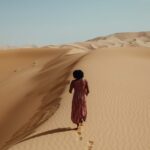
For the daytime, the goal is protection from the intense sun and heat combined with breathability. Loose, lightweight, long-sleeved clothing in natural fabrics like cotton and linen is ideal, as it shields your skin from the fierce sun while allowing air to circulate and keeping you far cooler than tight or synthetic garments would.
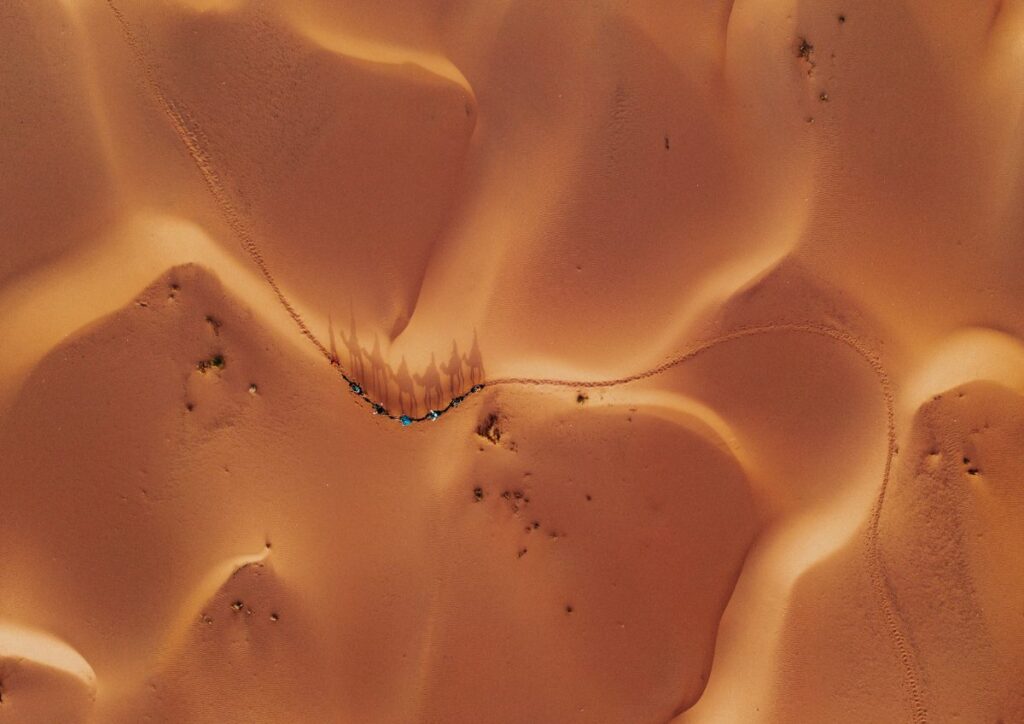
Long, loose trousers or a maxi skirt protect your legs, and light colours reflect the heat better than dark ones. Covering up may seem counterintuitive in the heat, but it is exactly what desert peoples have always done for good reason. It keeps you cooler and protects your skin. It is, counterintuitive though it may seem at first, quite the wisest approach by far, and it is exactly the strategy that the peoples of the desert have relied upon for countless generations. It cleverly balances comfort and protection in equal measure, keeping you cool in the heat while shielding your skin from the fierce and unrelenting desert sun. Our 5-Day Marrakech to Chefchaouen Tour include expert guidance on desert dressing.
Warm Layers for the Night
Just as important as staying cool by day is staying warm at night, and this is where many first-timers get caught out. Desert nights can be genuinely cold, even in summer and especially in winter, so packing warm layers is absolutely essential regardless of the season in which you travel.
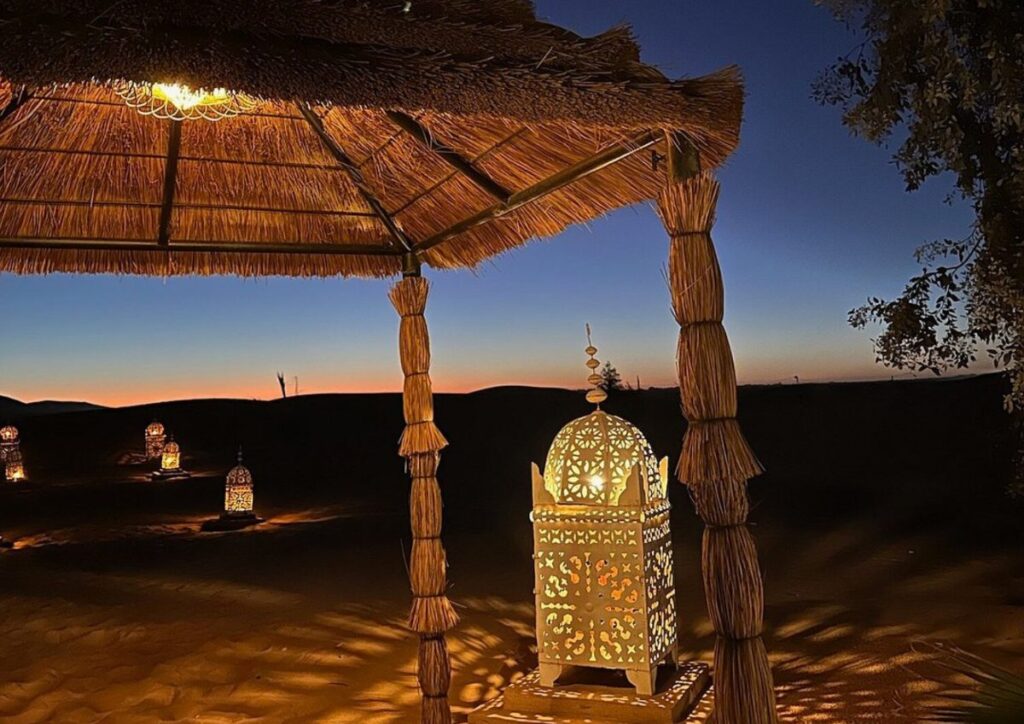
A fleece or warm jacket, a long-sleeved top, and even a hat and gloves in winter make the evenings around the fire and the nights in camp comfortable. Layering is the key, allowing you to add warmth as the temperature drops after sunset. Do not for a moment underestimate how genuinely cold the desert gets once the sun has set, as it is the one thing that most consistently catches unprepared first-time visitors off guard. It is the single most common packing mistake. Warm layers are genuinely non-negotiable for a comfortable desert night, and no amount of daytime heat should tempt you into leaving them behind when you pack for your Sahara trip. Our 10-Day Morocco Grand Tour from Tangier ensure you are cosy through the cold desert nights.
Sun Protection Essentials
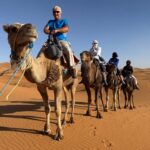
The desert sun is fierce and unrelenting, so sun protection is not optional. A wide-brimmed hat or a cap to shade your face and neck, high-factor sunscreen applied generously and often, and good-quality sunglasses to protect your eyes from the intense glare off the sand are all absolute must-haves.
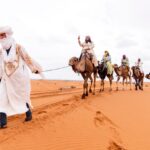
A scarf or shawl is one of the most useful items you can bring, serving double duty as sun protection and as a shield against blowing sand, wrapped around your head and face in the traditional desert manner. These simple items make an enormous difference to your comfort. They protect you effectively from the very harshest of the desert’s elements, the fierce sun by day and the blowing sand at any time, keeping you comfortable throughout your visit. They are easily packed and take up very little room, yet they prove absolutely invaluable out in the desert, making the difference between a comfortable day and a miserably sunburnt one. Our Ouzoud Waterfalls Day Trip from Marrakech keep you well protected under the desert sun.
Footwear for the Dunes
Choosing the right footwear for the desert deserves a little thought. Closed shoes such as trainers or light walking shoes are ideal, as they protect your feet from the hot sand and keep it out during dune walks, offering far more comfort and support than sandals on the shifting terrain.

Some travelers enjoy going barefoot on the soft, cool sand around the camp in the evening, which is a lovely sensation, but closed shoes are best for treks and climbing dunes. Avoid anything that lets sand pour in with every step. Comfortable, closed footwear is the practical choice. It keeps your feet genuinely happy and comfortable on the hot, shifting sand, which makes a real difference over a full day of walking, climbing, and exploring among the dunes. Comfortable closed footwear handles the shifting, uneven terrain of the dunes far better than sandals, keeping the hot sand out and your feet supported as you walk and climb. Our 3-Day Fes to Merzouga Desert Tour keep you comfortable across the dunes.
Cultural Considerations and Extras
It is also worth dressing with a little cultural sensitivity, as you will likely pass through villages and encounter local people on the way to the desert. Modest clothing that covers the shoulders and knees is respectful and appreciated, and it happens to be practical for sun protection too, so it serves a double purpose.
A few extras round out the desert kit nicely: a small daypack, a refillable water bottle, lip balm, and a headlamp for the dark camp. Wet wipes are handy where water is scarce. These little additions make the experience smoother and more comfortable. They are easily overlooked but genuinely useful. These small extras complete the desert wardrobe nicely and make the whole experience noticeably smoother. Our 5-Day Marrakech to Chefchaouen Tour team can advise on any final packing details.
Prepare for the Desert with Morocco Epic Journey
So what should you wear for a Sahara desert tour? Dress in versatile layers: loose, lightweight, long-sleeved clothing in natural fabrics for the hot days, and warm layers like a fleece and jacket for the cold nights, whatever the season. Add essential sun protection, a wide-brimmed hat, high-factor sunscreen, sunglasses, and an all-purpose scarf, plus closed shoes for the dunes. Dressing modestly is respectful and doubles as sun protection.
The team at Morocco Epic Journey ensures you are perfectly prepared for the desert, with expert packing advice and well-equipped tours designed for comfort in every condition. To experience the Sahara in comfort and style, get in touch using the button below. Our 10-Day Morocco Grand Tour from Tangier are your gateway to a well-prepared and unforgettable desert adventure.
Frequently Asked Questions
What should you wear for a Sahara desert tour?
Dress in versatile layers. For the hot days, wear loose, lightweight, long-sleeved clothing in natural fabrics like cotton and linen, which shields you from the sun while keeping you cool. For the cold nights, pack warm layers such as a fleece and jacket, whatever the season. Add sun protection, a wide-brimmed hat, high-factor sunscreen, sunglasses, and an all-purpose scarf, plus closed shoes like trainers for walking on the dunes.
What shoes should you wear in the Sahara desert?
Closed shoes such as trainers or light walking shoes are best for the Sahara, as they protect your feet from the hot sand and keep it out during dune walks, offering more comfort and support than sandals on the shifting terrain. Some travelers enjoy going barefoot on the soft, cool sand around camp in the evening, but closed shoes are the practical choice for treks and climbing dunes. Avoid anything that lets sand pour in.
Should you cover up in the desert heat?
Yes, counterintuitive as it seems, covering up with loose, lightweight, long-sleeved clothing is the wisest approach in the desert heat. It shields your skin from the fierce sun while allowing air to circulate, keeping you cooler than tight or revealing clothing would. This is exactly what desert peoples have always done. Light colours reflect the heat rather better than dark ones, and a simple scarf wrapped around your head and face in the traditional desert manner protects wonderfully against both the fierce sun and any blowing sand you may encounter among the dunes.
Do you need warm clothes in the Sahara desert?
Yes, warm clothes are essential for the Sahara, even though it seems surprising. Desert nights can be genuinely cold, even in summer and especially in winter, when temperatures can approach freezing. Pack a fleece or warm jacket, a long-sleeved top, and a hat, adding gloves in winter. Layering lets you add warmth as the temperature drops after sunset. Underestimating just how cold the desert becomes at night is comfortably the single most common packing mistake that desert travelers make, so err firmly on the side of bringing more warmth than you think you will need.
Sources & Further Reading
Ready to Explore Morocco?
Let Morocco Epic Journey craft your perfect private Morocco tour, tailored just for you.